
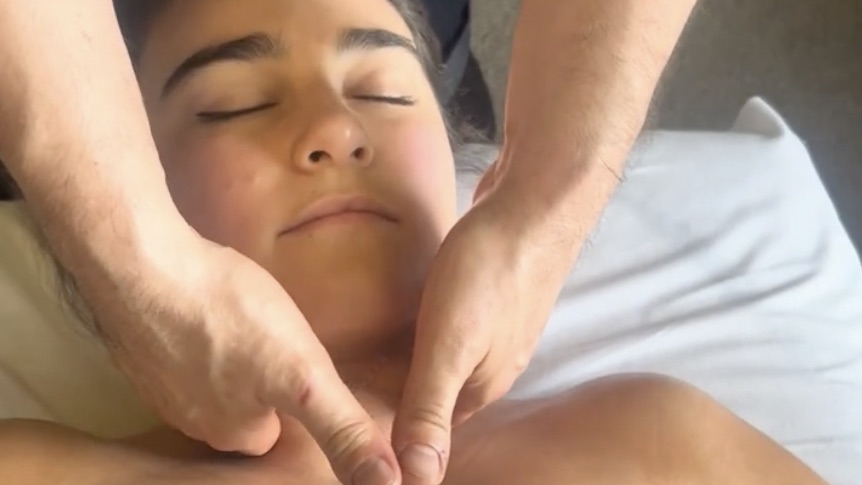
Massage therapy is well known for feeling good, but there is also a growing body of research behind why it works so well for stress and general wellbeing. Here are seven of the most well-supported benefits, along with what the evidence tends to show.
1. Stress reduction
Massage is widely used to promote relaxation and help lower cortisol, the body’s primary stress hormone. Research by Field (2014) found that massage therapy was associated with reduced cortisol alongside increases in serotonin and dopamine, the neurotransmitters most closely linked to mood regulation. In practice, this tends to translate into a calmer, more balanced mood in the hours after a session — and, with regular sessions, better stress management over time.
Massage is one of five treatments at Floatwell Cambridge, 500 m from the station — about massage →
2. Pain relief and muscle relaxation
Massage can ease both chronic and acute muscle pain by releasing tension, easing inflammation and relaxing stiff muscles. Research summarised by Lowe (2011) points to massage activating the body’s natural painkillers, including endorphins and serotonin, which is part of why it is often recommended alongside other treatment for conditions such as arthritis and fibromyalgia. For people managing ongoing pain, regular sessions can help reduce reliance on medication by supporting pain management more naturally.
3. Improved circulation
Massage encourages blood flow, helping oxygen and nutrients reach muscles and tissues more efficiently. A study in the Archives of Physical Medicine and Rehabilitation (Takamoto et al., 2009) found that massage improved circulation by promoting blood flow through dilated vessels and supporting lymphatic movement, which can help reduce swelling and support recovery. Better circulation also tends to leave people feeling more energised generally, not just after exercise.
4. Mental clarity and focus
Regular massage has been linked to improved mental clarity, largely through its effect on stress, anxiety and sleep — all of which affect how clearly we think. The American Massage Therapy Association has documented improvements in sleep quality and reductions in mental fatigue following massage (Sherman et al., 2010), both of which support better concentration and decision-making during the day.
5. Anxiety and depression relief
A systematic review in the journal Depression and Anxiety (Hou et al., 2014) found that massage therapy was associated with meaningfully reduced symptoms of both anxiety and depression, largely through relaxation and increased production of mood-supporting neurotransmitters such as serotonin and dopamine. Massage is not a replacement for clinical treatment, but it can be a useful complement alongside it.
6. Immune system support
Some research suggests massage can support immune function by increasing the activity of natural killer cells, which help the body defend against illness. A study in the Journal of Alternative and Complementary Medicine (Rapaport et al., 2010) found that massage increased lymph circulation, which plays a part in helping the immune system work effectively. Over time, this may mean fewer days spent under the weather.
7. Better sleep quality
Massage can support better sleep by raising serotonin levels and encouraging the body into a more relaxed state, making it easier to fall — and stay — asleep. Field et al. (1998) found that people who received regular massage reported deeper, more restful sleep. Better sleep, in turn, supports almost everything else on this list, from mood to immune resilience.
The takeaway
Taken together, the evidence points to massage as a genuinely useful tool for managing stress, easing physical discomfort and supporting overall wellbeing — not just an occasional treat. The benefits tend to compound with regularity: a single session can leave you feeling looser and calmer, but a consistent rhythm of sessions is where the real, lasting changes in stress and sleep tend to show up.
References: Field, T. (2014), Complementary Therapies in Clinical Practice; Lowe, W. (2011), Journal of Bodywork and Movement Therapies; Takamoto, K. et al. (2009), Archives of Physical Medicine and Rehabilitation; Sherman, K.J. et al. (2010), American Massage Therapy Association Journal; Hou, W.H. et al. (2014), Depression and Anxiety; Rapaport, M.H. et al. (2010), Journal of Alternative and Complementary Medicine; Field, T. et al. (1998), Journal of Clinical Rheumatology.