Safety is a top concern for anyone considering floating for the first time, so it is worth setting out clearly what floatation therapy involves and what the evidence says about its risks.
What is floatation therapy?
Floatation therapy, sometimes called sensory deprivation therapy, involves lying back in a tank filled with water and a high concentration of Epsom salt. The buoyancy of the solution lets you float effortlessly, taking pressure off the joints and creating a sensation of weightlessness. The aim is a space for deep relaxation, stress relief, pain management and mental rest.
Many people report real benefits from floating, including reduced stress, less chronic pain and improved mental clarity. With that in mind, it’s worth looking properly at the question: is floatation therapy safe?
Floatation is one of five treatments at Floatwell Cambridge, 500 m from the station — about floatation →
What the evidence says
Research into floatation therapy has generally supported its safety, alongside its potential to ease stress, anxiety and low mood, and to improve sleep quality. The buoyancy of the saltwater solution means you float without effort and without any real risk of submersion, which is part of why the practice is considered suitable for most adults.
As with any wellness treatment, it isn’t right for everyone, and the medical considerations below are worth reading before you book.
How float tanks are designed
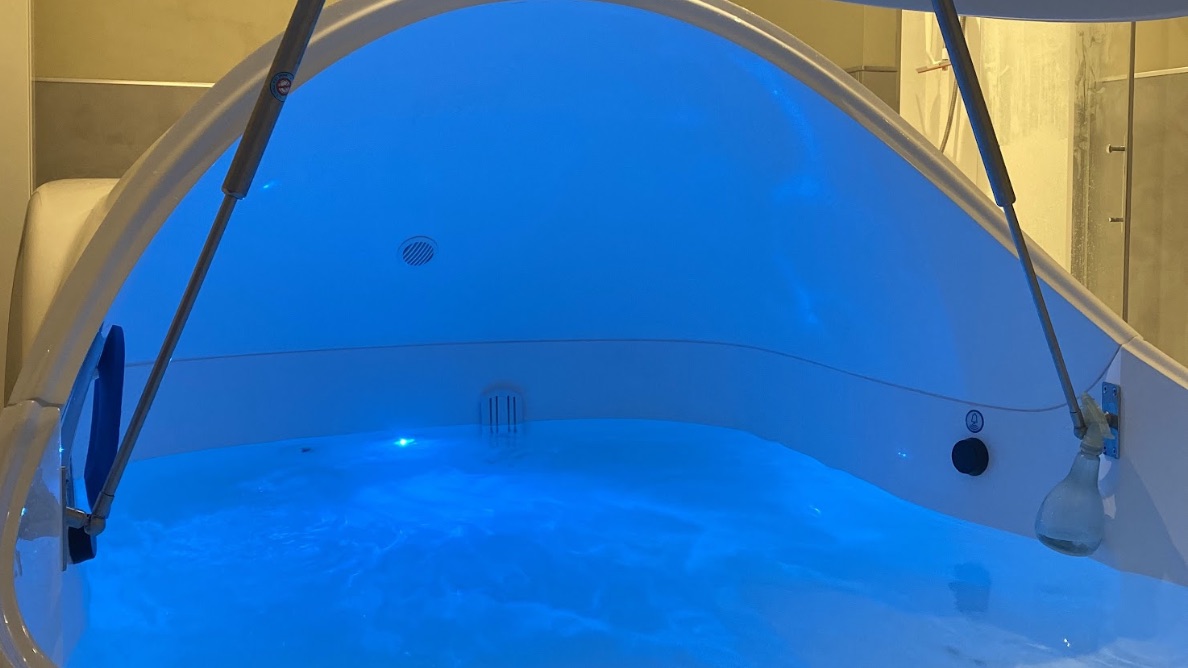
Float tanks and pods are built with safety and comfort in mind. They are spacious rather than cramped, which helps reduce any sense of confinement, and the water and air temperature are both kept close to skin temperature to avoid the discomfort of being too hot or too cold during a session.
Hygiene protocols
Cleanliness is central to running a floatation centre responsibly. At Floatwell, the water in our tanks is continuously filtered and treated to keep it clean between sessions, and every float guest is asked to shower before getting in to remove lotions, oils, sweat and other contaminants. Between these two measures, the water stays in a fit state to float in, session after session.
Medical considerations
Floating isn’t recommended for everyone. If you have an open wound or an infectious skin condition, it’s best to wait until it has healed, both for your own comfort and out of consideration for other guests. If you have uncontrolled epilepsy or a severe mental health condition, speak to your GP or specialist before booking, so you can make sure floating is appropriate for your circumstances. If you’re pregnant or have a specific medical condition you’re unsure about, it’s always worth checking with a healthcare professional first too.
Addressing common worries
The concern we hear most often is claustrophobia. In practice, most modern tanks and pods are larger than people expect, and you are always in control of the lid, the lighting and the music, so you can float with the door open, the light on, or however feels most comfortable. Very few people find the space itself a problem once they’re inside.
A safe practice for stress relief
Taken together — a supportive evidence base, thoughtfully designed tanks, and firm hygiene standards — floatation therapy is a safe, well-tolerated practice for most people seeking stress relief, pain management or simply a proper rest. As always, if you have a specific health condition and you’re not sure whether floating is suitable, check with your doctor first.
If you have any questions before your first float, or want to talk through anything above, we’re always happy to help. Find out more and book your float here.