
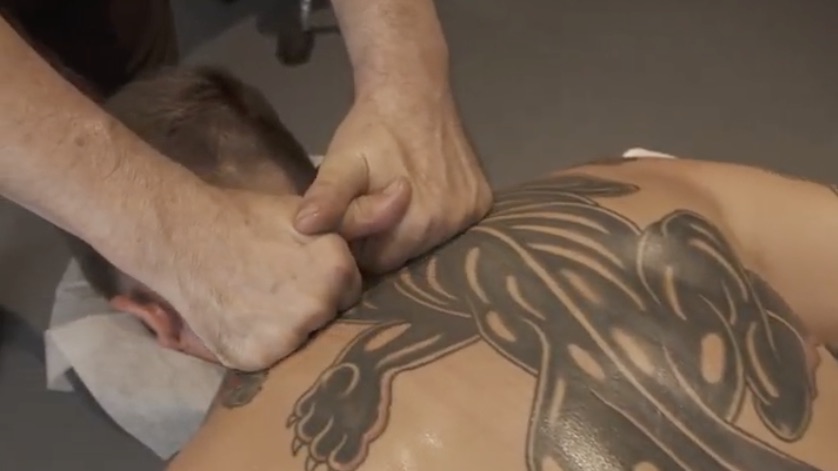
Massage therapy is a highly effective way to ease joint and muscle pain, offering real relief for people living with conditions such as arthritis, fibromyalgia and chronic muscle stiffness. Its benefits go beyond simple relaxation — good massage targets the underlying causes of pain, including inflammation, poor circulation and muscle tension.
How massage alleviates joint and muscle pain
Reducing muscle tension and spasm. Massage helps relax muscles by easing tension and breaking down adhesions, or “knots,” that contribute to pain. Techniques such as deep tissue and trigger point therapy release these tight areas, allowing muscles to return to a more natural, relaxed state.
Improving circulation. Massaging affected areas stimulates blood flow, improving oxygen and nutrient delivery to muscles and joints and supporting the body’s natural healing process. Better circulation also helps clear metabolic waste, reducing the inflammation that can make joint pain worse.
Increasing range of motion. For people with arthritis, joint stiffness is a common issue. Massage can improve flexibility by loosening the ligaments and tendons around a joint, making movement more comfortable.
Natural pain relief. Massage encourages the release of endorphins — the body’s natural painkillers — and can raise serotonin, which supports a sense of wellbeing. Together, pain relief and mood benefit can make a real difference for people managing chronic pain.
Massage is one of five treatments at Floatwell Cambridge, 500 m from the station — about massage →
Effective massage techniques for pain relief
Relaxation massage. This gentler style uses long, flowing strokes and kneading to ease tension and improve circulation. Swedish massage suits people with arthritis who need a lighter approach that won’t aggravate the joints.
“I’ve had arthritis for over ten years, and after just a few Swedish massages at Floatwell, I noticed a marked difference in my joint stiffness. The gentle strokes eased my pain without any discomfort, allowing me to move more freely.” — Mary, 56
Deep tissue massage. This applies firmer pressure to reach deeper layers of muscle and connective tissue. It’s particularly useful for fibromyalgia, helping to release chronic tension patterns, reduce stiffness and ease trigger points.
“I live with fibromyalgia, and the deep tissue massage at Floatwell has been a lifesaver. It feels like the pain melts away, and I’m able to go about my day with much less muscle soreness.” — Karen, 43
Aromatherapy massage. This combines gentle massage with essential oils chosen for the individual, easing muscle tension, improving circulation and promoting deep relaxation. Oils such as lavender and eucalyptus, absorbed through the skin and inhaled, offer natural anti-inflammatory and calming effects — useful for people with arthritis or chronic pain who may not want intense pressure.
“I had wanted to try aromatherapy massage for a while and I’m glad I did — the soothing scents were incredibly relaxing. My therapist used a blend tailored to my needs, and I could feel the tension lifting from my joints and muscles. I left feeling calm and pain-free.” — Lucy, 58
Finding the right approach
Joint and muscle pain varies from person to person, so the right technique depends on your condition and how your body responds to pressure. A gentler relaxation massage may suit sensitive joints, while deep tissue work can help release the tension patterns behind fibromyalgia. Talking through your symptoms with your therapist before a session helps them tailor the treatment to what will actually help.