Understanding Chronic Fatigue
Chronic fatigue manifests as “persistent and unexplained tiredness that does not improve with rest.” Individuals with this condition typically experience extreme exhaustion, muscle and joint pain, headaches, and cognitive difficulties. These symptoms substantially reduce quality of life and complicate the ability to manage daily responsibilities. The challenge in treating chronic fatigue stems from its variable causes across different individuals, often requiring a trial-and-error approach to find effective solutions.
Floatation is one of five treatments at Floatwell Cambridge, 500 m from the station — about floatation →
The Science Behind Floatation Therapy
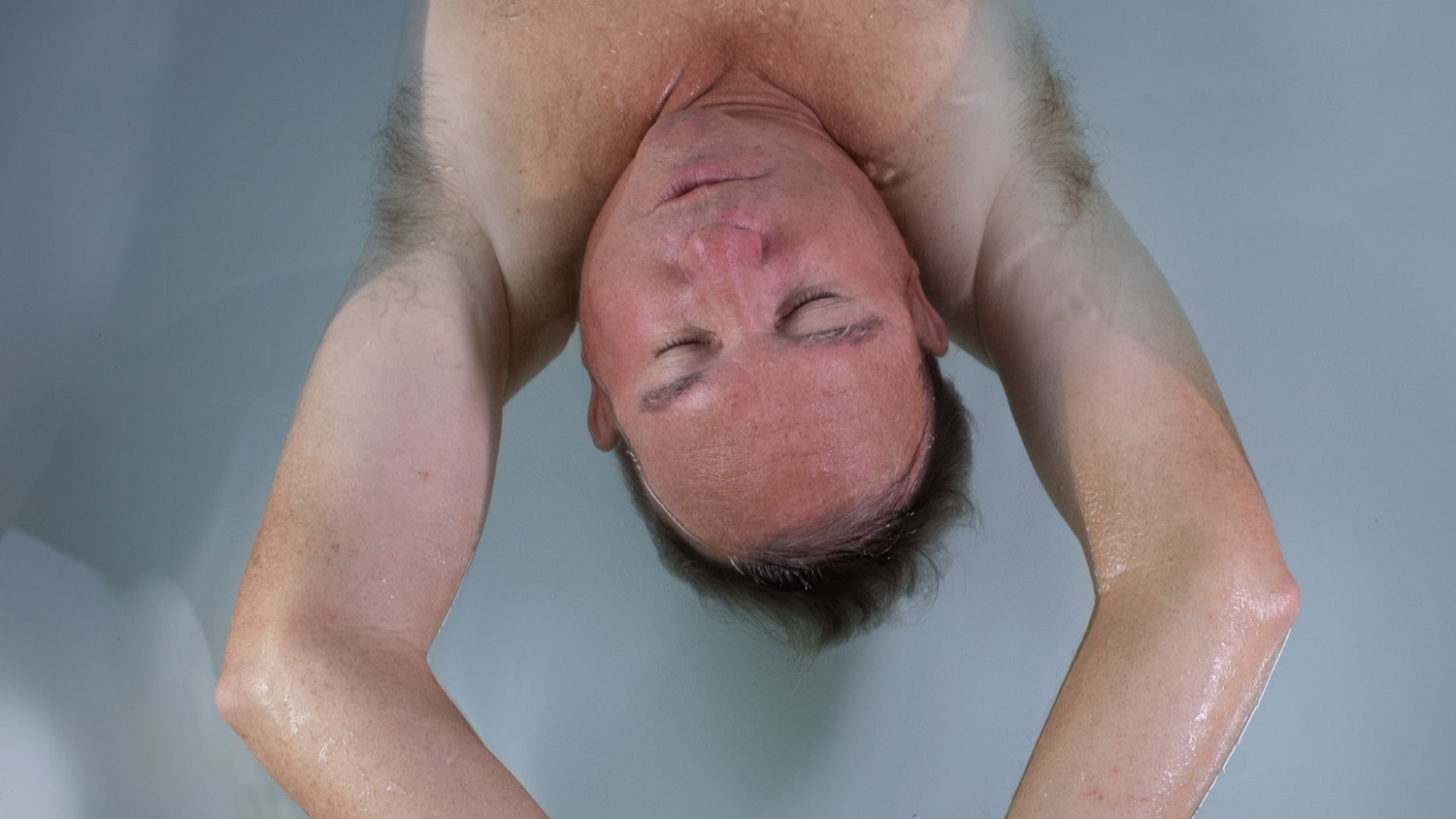
Floatation therapy—sometimes called sensory deprivation or isolation therapy—involves floating in a specially designed tank containing a dense Epsom salt solution. This environment eliminates sensory input including light, sound, and gravity, creating weightlessness and promoting deep relaxation.
The therapy works by reducing external stimuli, allowing the nervous system to calm down and decrease stress hormones while increasing wellbeing. Research suggests floatation can benefit individuals with chronic fatigue by providing an environment where the body and mind can recover and rejuvenate.
Easing Symptoms Through Sensory Deprivation
The sensory deprivation in floatation tanks calms an overactive nervous system—common in chronic fatigue sufferers. By removing external stimuli, the nervous system enters deep relaxation, reducing the constant sensory input that contributes to heightened stress and fatigue.
The weightlessness sensation relieves pressure on muscles and joints, providing comfort for those experiencing musculoskeletal symptoms associated with chronic fatigue.
Mental Wellness and Cognitive Rest
Beyond physical benefits, floatation therapy supports mental clarity and cognitive rest. The meditative state induced by sensory deprivation offers mental calmness and relief from cognitive challenges. Regular sessions may improve sleep patterns—essential for managing chronic fatigue—through enhanced relaxation and stress reduction.
A Holistic Approach to Easing Chronic Fatigue Symptoms
Floatation therapy presents a holistic pathway for managing chronic fatigue through relaxation, sensory withdrawal, and mental rejuvenation. Exploring this complementary approach offers individuals seeking evidence-based treatments a proactive step toward relief and wellness restoration.