At Floatwell, we offer a range of massage therapies, each suited to different needs and goals. From promoting deep relaxation to targeting muscle tension and supporting overall wellbeing, every style of massage serves a slightly different purpose. Here’s a guide to the main types on offer and how to choose the one that’s right for you.
Relaxation (Swedish) massage
Relaxation, or Swedish, massage is a gentle, soothing therapy aimed at easing stress and promoting a sense of calm. Using long, flowing strokes and gentle kneading, it helps release muscle tension, improve circulation and induce deep relaxation.
Benefits
- Stress relief. Swedish massage can help lower cortisol levels while supporting serotonin and dopamine, easing anxiety and promoting a relaxed state of mind.
- Better circulation. Increased blood flow helps deliver oxygen and nutrients to the muscles, supporting muscle health and faster recovery.
- Improved sleep. The relaxation it brings can carry through to better sleep quality, which is useful for anyone who struggles to switch off at night.
Who it suits. Swedish massage is a good fit for anyone seeking stress relief and a general sense of wellbeing. It also makes a gentle introduction for people new to massage who want the benefits without intense pressure.
Massage is one of five treatments at Floatwell Cambridge, 500 m from the station — about massage →
Deep tissue massage
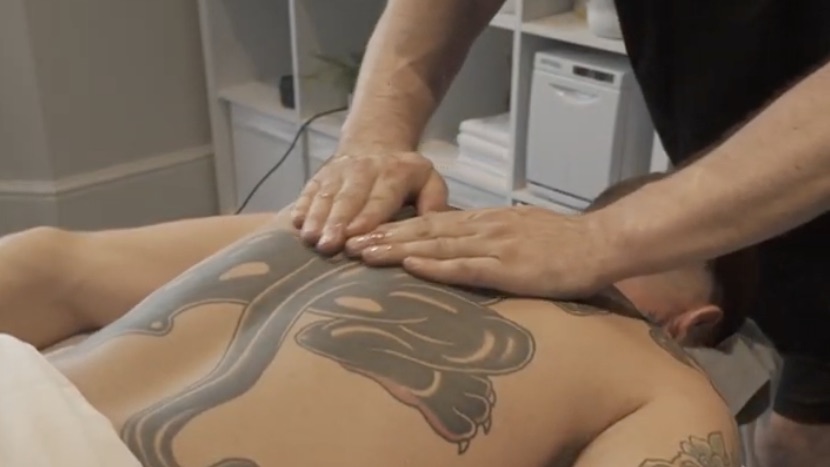
Deep tissue massage is a firmer, more focused therapy that works into the deeper layers of muscle and connective tissue. Using sustained pressure and slower strokes, it’s designed to release chronic tension, ease pain and improve mobility.
Benefits
- Pain relief. By working on muscle adhesions and deep-seated tension, deep tissue massage can help with chronic pain conditions such as lower back pain.
- Reduced muscle tension. It eases tightness caused by physical strain, poor posture or repetitive movement.
- Better range of motion. Loosening stiff muscles and connective tissue around the joints can improve flexibility.
Who it suits. Deep tissue massage suits people dealing with chronic muscle pain, stiffness or limited mobility, including athletes and anyone with a physically demanding routine. It’s a firmer treatment, so it may not be the best choice if you’re after a purely relaxing experience.
Aromatherapy massage
Aromatherapy massage combines a gentler massage technique with essential oils chosen to suit the individual. The oils are absorbed through the skin and inhaled during the session, supporting both physical relaxation and mental clarity.
Benefits
- Stress and anxiety relief. Oils such as lavender and chamomile are widely used for their calming effect on mood.
- Improved mood and energy. Oils like peppermint and eucalyptus are associated with alertness and mental clarity, so this style can leave you feeling both relaxed and refreshed.
- General wellbeing. Essential oils are often credited with mild antibacterial properties, which, alongside the relaxation of the massage itself, can support overall wellbeing.
Who it suits. Aromatherapy massage is ideal if you want a calming experience that layers the benefits of essential oils on top of massage. It tends to suit people dealing with high stress, mental fatigue or the low mood that can come with the changing seasons.
Choosing the right massage
Each of these treatments offers something a little different, from stress relief to pain management to a broader lift in wellbeing. If you’re mainly looking to unwind, relaxation massage is the natural starting point. If you’re carrying chronic tension or pain, deep tissue work goes further. And if you want your massage paired with the mood benefits of essential oils, aromatherapy is worth trying. If you’re not sure which is right for you, our therapists are happy to talk through your goals before you book.